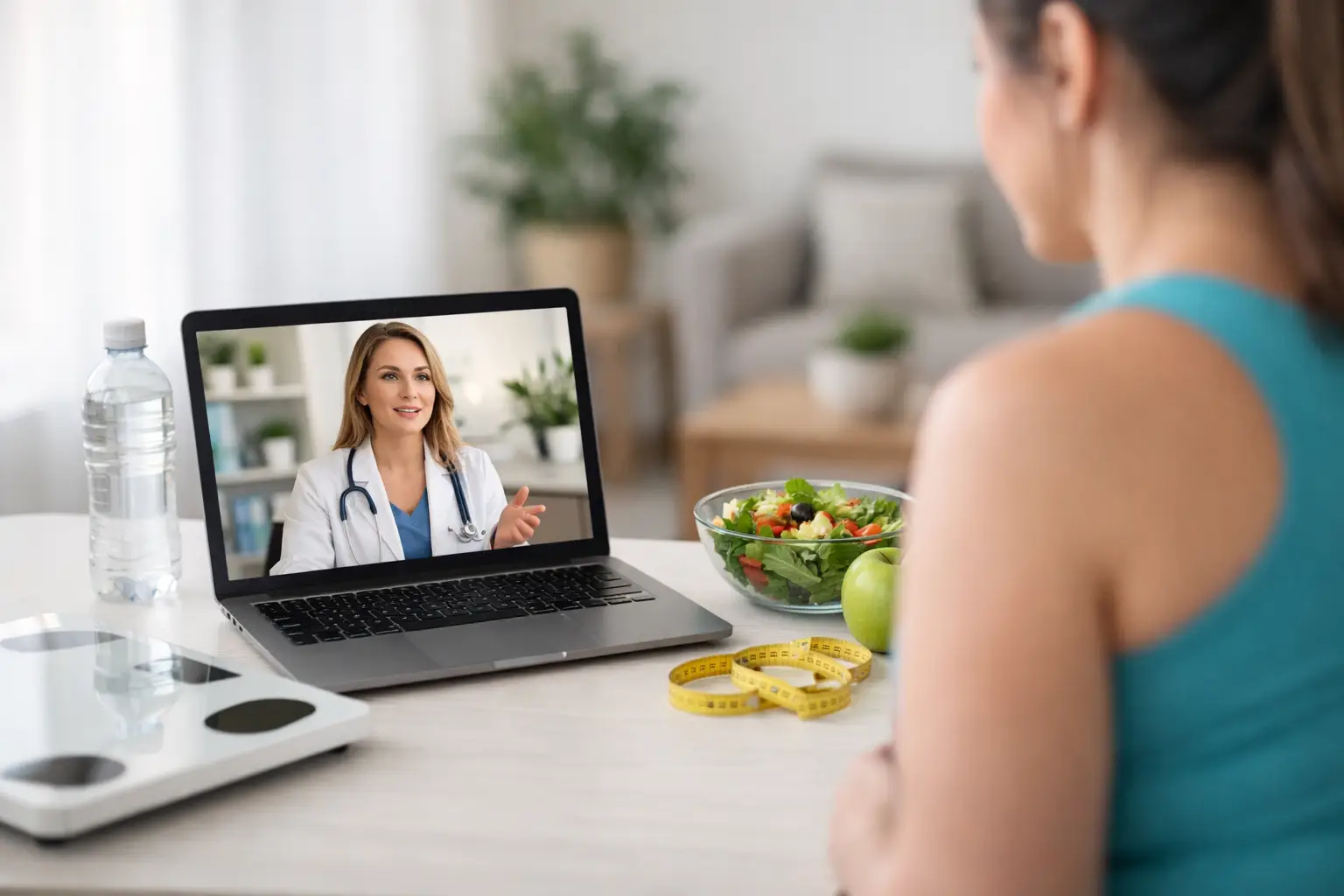
For people who spend too much mental energy thinking about food, the question is not just whether a program works. It is whether it is real medical care. So, is telehealth legit for weight loss? Yes - when it is delivered by a licensed clinician who evaluates your health, prescribes only when appropriate, and provides ongoing medical follow-up.
Telehealth is not a shortcut around healthcare. It is a different way to receive it. Instead of sitting in a waiting room, you meet with a qualified provider online, discuss your goals and medical history, and receive a treatment plan designed around your needs. For many adults in Naples and across Florida, that makes professional weight management far easier to fit into real life.
What Legitimate Telehealth Weight Loss Care Looks Like
A credible telehealth program should feel like medical care from the start, not a checkout page for medication. Your provider should ask about your health history, current medications, previous weight-loss efforts, allergies, and conditions that may affect treatment. They should also discuss what you hope to change, including persistent hunger, cravings, or the constant food thoughts that can make every diet feel exhausting.
If a GLP-1 medication may be appropriate, a licensed clinician reviews whether it is safe for you. These medications can help regulate appetite and slow digestion, which may help some people feel satisfied with less food and experience less intrusive food noise. But they are prescription medications, not casual wellness products. The right treatment depends on your health profile, medication access, goals, and tolerance.
Legitimate care also includes follow-up. Weight loss is not a single appointment or a one-time prescription. Your provider should monitor how you are responding, discuss side effects, adjust your plan when needed, and help you make informed decisions as your needs change.
Is Telehealth Legit for Weight Loss With GLP-1s?
It can be. Telehealth can be a safe and appropriate setting for GLP-1-based weight management when the provider follows clinical standards and the patient is a good candidate for virtual care.
Not everyone needs an in-person office visit before starting treatment, but some people do. A reputable provider will tell you when in-person evaluation, lab work, or care from your primary care physician is needed. Telehealth works best when it complements the rest of your healthcare, rather than asking you to ignore it.
Virtual care is especially useful for people whose schedules make repeated clinic visits difficult. Busy parents, professionals, caregivers, and retirees should not have to choose between getting medical support and keeping up with daily life. A secure video visit can provide privacy, convenience, and access to a clinician without the commute, parking, or time away from work.
Convenience does not make the care less legitimate. The clinical process matters more than the location of the appointment.
Signs a Telehealth Program Is Worth Trusting
The fastest way to spot a questionable service is to look at what it skips. Be cautious of any program that promises dramatic results for everyone, guarantees a specific number on the scale, or offers medication without a meaningful medical review.
A trustworthy program is clear about who is providing your care. You should know that you are working with a properly licensed medical professional and have a way to contact the care team with questions. The provider should explain potential benefits, common side effects, risks, and reasons a medication might not be right for you.
Pricing should be straightforward, too. Medical weight loss can involve different costs, including clinical care, medication, labs, and pharmacy services. You deserve to know what the monthly price covers before you commit. Watch for programs that advertise a low starting price but add large membership fees, mandatory coaching charges, or unclear administrative costs later.
At Eliminate the Food Noise in Your Head, monthly medical weight loss care starts at $149 for medication with no membership fees. That kind of clarity matters because getting help with your weight should not require decoding a complicated billing model.
What Telehealth Cannot Replace
Telehealth is valuable, but it is not the answer to every medical need. If you have symptoms that require a physical exam, need urgent care, are dealing with a serious medication reaction, or have a complex condition that needs hands-on monitoring, an in-person clinician may be the better choice.
Some people also benefit from coordinated support beyond prescription management. Depending on your situation, that may include your primary care physician, a registered dietitian, a therapist, or a specialist. Food noise can be physiological, emotional, behavioral, or all three. Reducing appetite can create meaningful relief, but it does not erase every stressor or habit overnight.
That is why honest expectations matter. GLP-1 treatment may help you feel more in control around food, but sustainable progress still involves paying attention to protein, hydration, movement, sleep, and the routines that support your health. The goal is not perfection. It is a plan you can continue without feeling like food is controlling your day.
Questions to Ask Before You Enroll
Before choosing a telehealth weight loss provider, ask direct questions. Who will evaluate and prescribe for me? Is that clinician licensed in my state? How often will I have follow-up visits? What happens if I have side effects or questions between appointments? Are lab tests required for my situation? What exactly is included in the stated monthly price?
Also ask how the provider approaches medication changes. Safe care involves more than starting a prescription. You want to know whether your clinician will review your response over time and whether they will help you decide what to do if treatment is not producing the expected results.
A good provider welcomes these questions. They do not pressure you to purchase before you understand the process. You should feel informed, heard, and respected - especially when discussing something as personal as body weight, eating patterns, and your health history.
The Real Benefit of Virtual Weight Management
For many people, the greatest benefit of telehealth is not simply saving time. It is removing the friction that often keeps them from seeking care at all.
When every appointment requires driving across town, rearranging work, finding childcare, or sitting in a crowded office, it is easy to postpone help. A virtual visit makes it easier to start and easier to stay consistent. That consistency can matter when you are trying to address years of appetite struggles, repeated dieting, and the mental drain of always planning your next meal.
Telehealth weight loss is legitimate when it is built around real clinical oversight, honest communication, and treatment that fits your individual health needs. If you have been carrying the burden of constant food thoughts on your own, asking for medical support is not taking the easy way out. It may be the practical first step toward making food feel quieter and your health goals feel possible again.