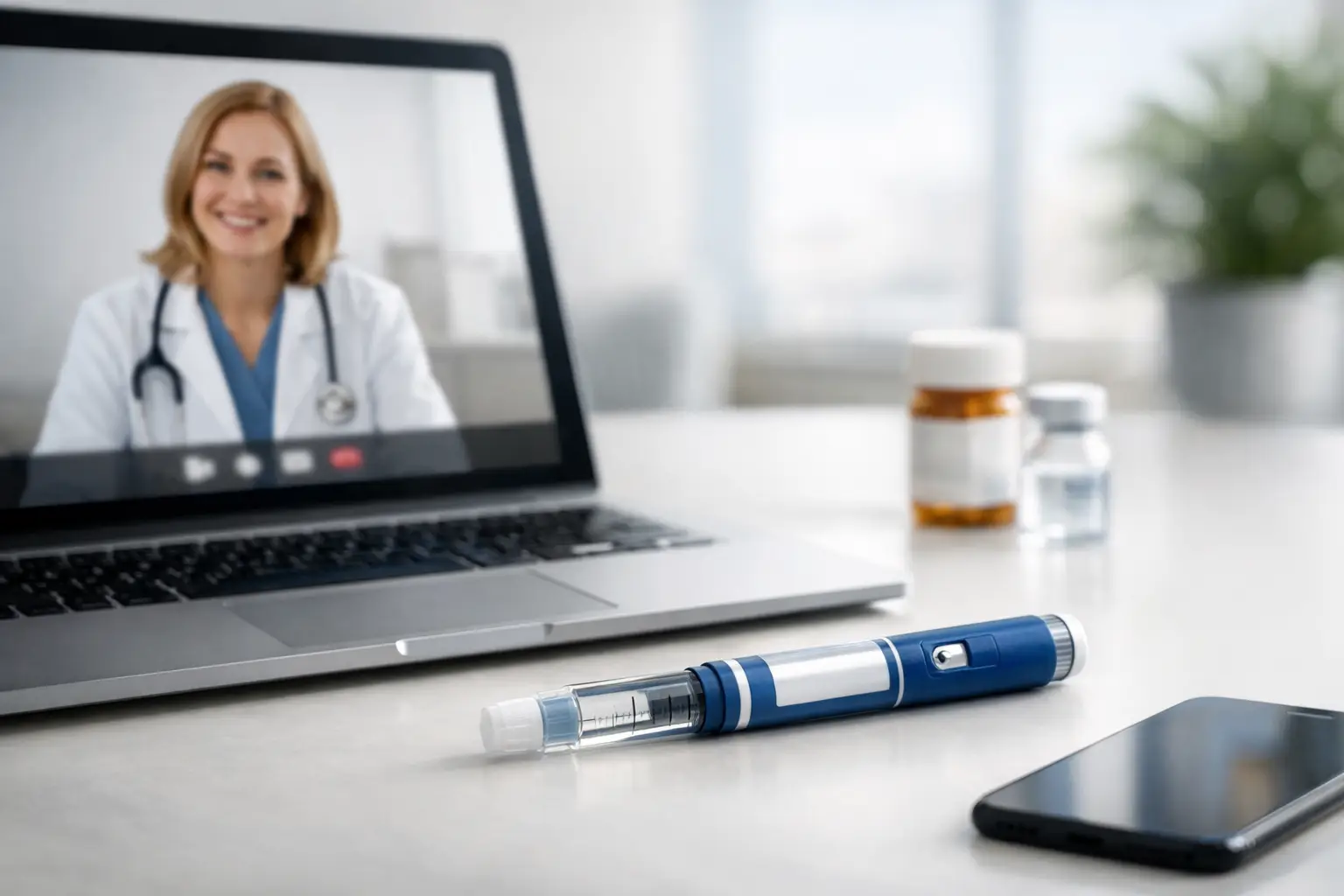
The question of how to get GLP-1 online is usually about more than convenience. You may be tired of planning your day around hunger, thinking about your next meal when you are not even hungry, or feeling like food occupies more mental space than it should. Online medical weight loss care can offer a private, practical way to discuss whether GLP-1 treatment may help quiet those constant food thoughts.
A reputable telehealth program does not simply send medication after a quick form. It starts with a medical evaluation, considers your health history and goals, and provides ongoing clinical guidance if treatment is appropriate. That distinction matters. GLP-1 medications are prescription treatments, not a one-size-fits-all shortcut.
How to Get GLP-1 Online Through Medical Care
The process should feel straightforward, but it should also be medically sound. First, you complete an intake that covers your weight history, current medications, medical conditions, allergies, and treatment goals. You will also be asked about factors that can affect whether a GLP-1 medication is appropriate, including prior pancreatitis, certain endocrine conditions, pregnancy plans, and digestive symptoms.
Next comes a virtual visit with a qualified clinician. This is your opportunity to talk honestly about what has been difficult. Maybe you have tried diets repeatedly and the weight returned. Maybe you exercise and make thoughtful choices but still feel driven by hunger or cravings. Maybe the hardest part is not knowing what to eat - it is the nonstop mental conversation about food.
Your clinician can review your information, answer questions, and determine whether a prescription is medically appropriate. Some patients may need lab work or clearance from another provider before starting. Others may be better served by a different treatment approach. Good care includes the ability to say, “This is not the right medication for you right now.”
If you are prescribed treatment, the clinic coordinates the next steps and explains how to use the medication safely. You should receive clear instructions about dosing, injection technique when applicable, possible side effects, and when to contact your care team.
What an Online GLP-1 Program Should Include
Telehealth removes the need to sit in a waiting room, but it should not remove clinical support. The best online programs combine convenience with a real medical relationship.
A thorough evaluation, not an instant approval
Be cautious of any service that seems to promise medication before reviewing your medical history. GLP-1 medications can be helpful for eligible patients, but they also have risks, contraindications, and possible side effects. A proper evaluation protects you and helps set realistic expectations from the start.
Your clinician should discuss your current health, prior attempts at weight loss, and what success would look like beyond the number on the scale. For many people, success includes fewer urges to graze, more control around portions, improved confidence, and relief from the exhausting cycle of restriction and rebound eating.
Clear medication and pharmacy information
Ask what medication may be prescribed, where it will be filled, and what is included in the stated monthly price. Brand-name GLP-1 medications and compounded medications are not the same, and availability can change. Your clinician should explain the treatment option being considered and answer direct questions about sourcing, costs, and follow-up care.
A transparent program does not make you chase answers about your bill. It tells you whether visits, medical oversight, medication, shipping, labs, or supplies are included or billed separately. The lowest advertised number is not always the lowest total cost.
Ongoing follow-up
GLP-1 treatment is not “set it and forget it.” Doses are typically adjusted gradually, based on your response and tolerance. Follow-up visits allow your clinician to monitor side effects, assess appetite changes, discuss nutrition and hydration, and make sure the plan still fits your life.
That support is especially valuable during the first few months. Some people experience nausea, constipation, diarrhea, reflux, or fatigue. Others find that their appetite changes quickly and need help learning how to eat enough protein, drink enough fluids, and avoid skipping nourishment all day. These issues are manageable for many patients, but they deserve attention rather than guesswork.
Is Online GLP-1 Care Right for You?
Online care can be a strong fit if you want medical guidance without frequent trips to a clinic. It is particularly helpful for busy professionals, parents, retirees, and anyone who values privacy and scheduling flexibility. For Naples residents, telehealth can make it easier to get professional support from home, between appointments, or while traveling within the state when permitted.
Still, online care is not automatically the best option for every situation. If you have complex medical needs, severe gastrointestinal symptoms, uncontrolled chronic conditions, or need hands-on examination, your clinician may recommend in-person care or coordination with your primary care provider. Telehealth works best when it is used thoughtfully, not as a replacement for every kind of medical care.
GLP-1 medications may also be inappropriate for people with certain personal or family medical histories. Your provider will review those details. Being open during your visit is not a barrier to treatment - it is how your care team helps protect your health.
Questions Worth Asking Before You Start
Before enrolling in an online program, make sure you understand who is managing your treatment and how you can reach them. Ask whether you will meet with a licensed clinician, how often follow-ups occur, and what happens if you have side effects or need a dose adjustment.
You should also ask about the full monthly cost, not just the initial visit price. Some programs attach membership fees, administrative charges, or costly add-ons after you join. Others make it difficult to pause or cancel. Straightforward care should come with straightforward answers.
At Eliminate the Food Noise in Your Head, medical weight loss care is designed to reduce unnecessary friction: virtual visits, medically supervised treatment, monthly pricing starting at $149 for medication, and no membership fees layered on top. The goal is not to make weight loss feel complicated. It is to give you a clear place to begin.
Getting Ready for Your Virtual Visit
A little preparation can make your appointment more useful. Have a current list of medications and supplements ready, along with any recent lab results if you have them. Think about your weight history, previous programs or medications you have tried, and the specific moments when food noise feels loudest.
It also helps to write down what you want to ask. You may want to know how the medication works, what results are realistic, how long treatment may last, or what happens if you stop. There is no single answer for every patient. Weight changes, side effects, medication access, and long-term plans depend on your health, response to treatment, and your clinician’s recommendations.
Be prepared to talk about lifestyle without expecting perfection. GLP-1 treatment can support appetite regulation, but it works best alongside habits that protect your health: consistent meals, adequate protein, hydration, movement you can sustain, sleep, and follow-up care. The point is not to earn medication by being flawless. The point is to build a plan that is realistic enough to continue.
A Better Starting Point Than Another Diet
If food thoughts are constantly pulling at your attention, more willpower may not be the answer. A medically supervised online GLP-1 program can help eligible patients address appetite and weight management with professional support, privacy, and a plan built around real life.
Start by choosing care that treats you like a person, not a transaction. Ask clear questions, expect clear pricing, and give yourself permission to seek help for the mental load of managing food. Relief can begin with one honest medical conversation.