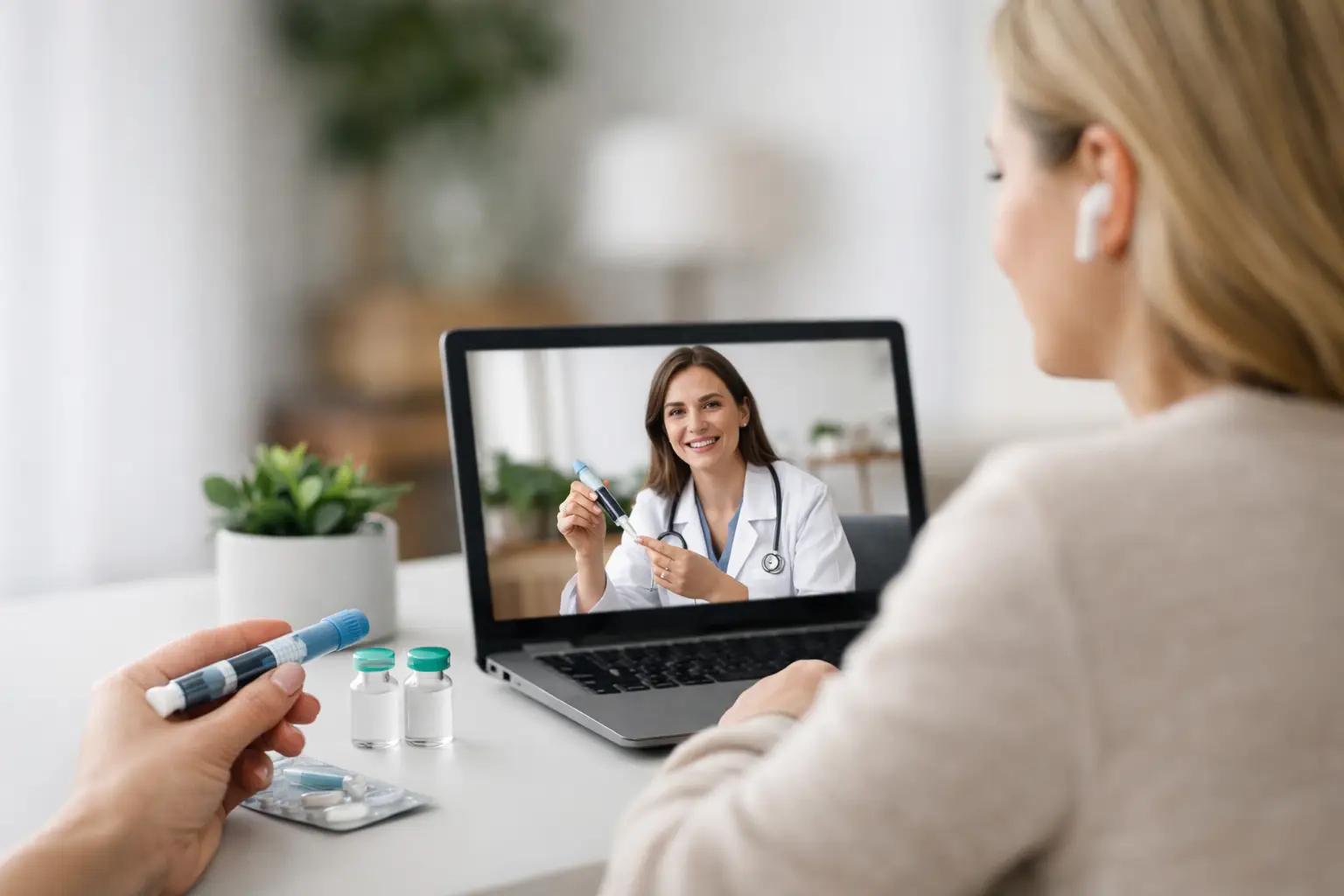
If you are tired of thinking about food all day, the appeal of telehealth weight loss is pretty obvious. What many people want to know first is how online GLP-1 visits work - not in theory, but in real life, when you are busy, frustrated, and looking for help that feels both legitimate and simple.
The short answer is that an online GLP-1 visit is a medical appointment done remotely. You share your health history, meet with a licensed provider, discuss whether treatment is appropriate, and if you qualify, a care plan is created with follow-up built in. The goal is not just access to medication. It is medically supervised treatment that helps reduce appetite, quiet constant food thoughts, and support sustainable weight loss without adding unnecessary barriers.
How online GLP-1 visits work step by step
Most people expect the process to be complicated. In a well-run telehealth program, it should feel clear and structured.
You usually begin with an online intake. This is where you provide basic health information, current medications, medical conditions, weight history, and your goals. A good intake does more than collect numbers. It helps the provider understand whether your struggle is mainly about hunger, cravings, constant mental chatter about food, difficulty staying full, or a mix of all of it.
After that, you meet with a licensed medical provider through a virtual visit. Depending on the clinic, this may be by video, phone, or a secure telehealth platform. During the visit, the provider reviews your history, asks questions about symptoms and prior weight loss attempts, and screens for safety concerns. This part matters. GLP-1 treatment is not one-size-fits-all, and a real medical evaluation should never feel rushed.
If you are a candidate, the provider may recommend a treatment plan that includes a GLP-1 medication, nutrition guidance, ongoing monitoring, and follow-up visits. If you are not a fit, a credible clinic should tell you that directly. Good care is not about pushing everyone into the same program. It is about matching treatment to the person.
What happens during an online GLP-1 appointment
For many adults, the biggest hesitation is whether an online appointment can be thorough enough. In many cases, yes - as long as the clinic takes medical screening seriously.
Your provider will likely ask about your current weight, health conditions, blood pressure history, diabetes or prediabetes, digestive issues, thyroid history, and any prior use of weight loss medications. You may also talk about side effects you are worried about, your schedule, emotional eating patterns, and how often food feels like it is taking up too much mental space.
This is also when expectations get set. GLP-1 medications can be highly effective, but they are not magic. Some people feel appetite changes quickly. Others need dose adjustments and time. Some lose weight steadily. Others lose more slowly but notice something just as meaningful first - less obsession with food, less grazing, and more control around meals.
That mental relief is part of why these visits matter. When treatment is working, people often describe more than reduced hunger. They describe more peace.
Eligibility, safety, and why the details matter
One of the most common misunderstandings about telehealth is that it means lower standards. It should not. A responsible online GLP-1 program still needs to evaluate whether treatment is safe and appropriate.
That may include reviewing your medical history in detail, confirming your current medications, and deciding whether labs are needed before starting or during treatment. Some patients have conditions that require extra caution. Others may need a different approach entirely. Pregnancy, a history of certain endocrine issues, pancreatitis risk, severe gastrointestinal symptoms, or medication interactions can all change the plan.
This is where trade-offs matter. Online care is more convenient than driving to a clinic, sitting in a waiting room, and rearranging your day. But convenience should not replace clinical judgment. The right telehealth experience feels efficient, not casual.
Prescriptions and medication access
If treatment is prescribed, the next question is usually practical: what happens now?
In most cases, the prescription is sent after your visit once the provider confirms the plan. Depending on the clinic model, medication may be coordinated through a pharmacy, and you will receive instructions on what you are taking, how to use it, when to increase the dose if appropriate, and what side effects to watch for.
This part can vary more than people expect. Medication availability, insurance status, state rules, and pharmacy processes all affect timing and cost. That is why transparent communication matters. You should know what is included, what is not, and what follow-up support looks like if you have questions once treatment starts.
For many patients, a straightforward monthly program feels easier than trying to piece together separate appointments, prescription logistics, and hidden administrative costs. In Naples and throughout Florida, that simplicity is a big part of why telehealth care is growing.
Follow-up is where real progress happens
Starting treatment is only the beginning. The better question is what support looks like after the first prescription.
Follow-up visits help your provider monitor progress, side effects, appetite changes, and whether your dose still makes sense. These check-ins are where treatment becomes personalized. If nausea is an issue, the plan may need adjusting. If weight loss has slowed, your provider may look at habits, dosing, or whether another factor is getting in the way. If the medication is helping but food noise still feels strong at certain times of day, that is useful clinical information too.
This ongoing care matters because sustainable weight loss is rarely linear. Travel, stress, retirement routines, work schedules, social eating, and sleep changes can all affect how treatment feels month to month. A telehealth model makes those adjustments easier because you do not have to build your life around in-person visits just to stay on track.
That convenience is especially valuable for adults who are juggling careers, family responsibilities, or simply want more privacy. You can access care from home, ask questions earlier, and stay connected to treatment without turning weight loss into another logistical burden.
Why online GLP-1 visits appeal to busy adults
The reason this model works for so many people is not just that it is online. It is that it removes friction.
When care is hard to access, people delay getting help. They tell themselves they will revisit it next month, after vacation, after the holidays, after work calms down. Telehealth lowers the effort required to begin. That does not make the treatment less serious. It makes real medical care more reachable.
For people who have spent years trying to out-discipline persistent hunger or constant food thoughts, that matters. Shame often grows in the gap between wanting help and not wanting one more complicated process. A clean, medically supervised online visit can close that gap.
That is one reason clinics like Eliminate the Food Noise in Your Head resonate with adults looking for a simpler path. The model speaks to both sides of the struggle - the physical challenge of weight loss and the mental exhaustion of always thinking about food.
What to look for before you sign up
Not every online program is built the same way. Before starting, look for signs of real medical oversight, clear pricing, and a process that explains what is included each month.
If a clinic makes treatment sound instant or guaranteed, be cautious. If pricing is confusing, ask questions. If there are membership fees layered on top of monthly care costs, make sure you understand what you are paying for. Straightforward care should feel straightforward.
It also helps to choose a program that talks honestly about outcomes. Some patients respond very well. Some need time. Some are better suited for other options. The best provider is not the one making the biggest promises. It is the one giving you a clear plan, realistic expectations, and room to adjust as your body responds.
If you have been wondering whether remote care can really help, the answer is that it can - when it is medically supervised, easy to access, and built around your actual experience, not just your weight on a chart. For many people, the first real sign of progress is not the scale. It is the moment their mind gets quieter around food, and they realize they finally have some breathing room.