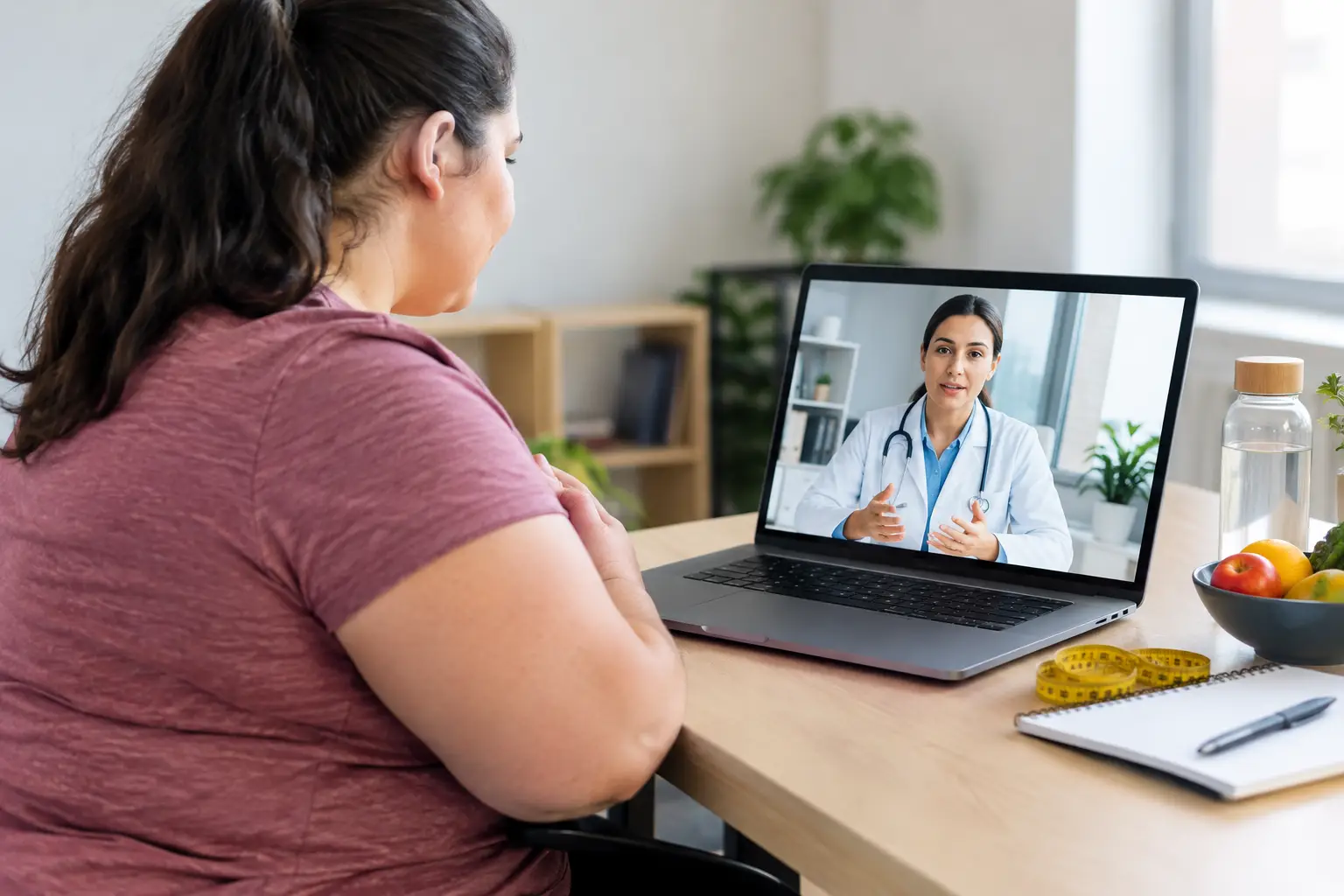
If you are asking, “how much is obesity telemedicine?” you are probably looking for more than a low number. You want to know what you will actually pay, whether medication is included, and if the care will help quiet the constant food thoughts that make weight loss feel exhausting.
The honest answer is that obesity telemedicine can range from a relatively affordable monthly medical program to several hundred or even more than $1,000 per month when medication is paid for out of pocket. The difference comes down to the provider, the level of clinical support, your insurance coverage, and the medication prescribed.
A clear price matters. Weight loss care should not leave you guessing about surprise membership fees, required add-ons, or whether your monthly payment includes real access to a medical professional.
How Much Is Obesity Telemedicine Each Month?
For medical weight loss telehealth, the clinical care portion often costs about $100 to $400 per month. This may cover an initial evaluation, follow-up visits, treatment planning, prescription management, and communication with your care team. Some providers charge separately for the first visit, while others package it into a monthly program.
At Eliminate the Food Noise in Your Head, monthly medical weight loss care starts at $149 for medication, without an added membership fee. That type of straightforward structure can make it easier to budget for treatment, especially when you are already sorting through medication and insurance questions.
Still, the monthly program price is not always the full cost. Before enrolling anywhere, ask one direct question: “Does this number include medication, or is medication billed separately?” That answer can change your expected monthly total significantly.
The Biggest Cost Factor: GLP-1 Medication
For many people, GLP-1 medication is the largest expense in obesity telemedicine. These medications can help regulate appetite, reduce persistent hunger, and make it easier to feel satisfied with less food. For someone who spends too much mental energy planning meals, fighting cravings, or thinking about the next snack, that shift can feel deeply meaningful.
But prescription costs vary widely. A brand-name GLP-1 medication covered by insurance may require only a copay. The same medication without coverage can cost hundreds or more than $1,000 per month, depending on the medication, pharmacy, dose, and available manufacturer programs.
Some telehealth practices work with compounded medications where legally appropriate and clinically indicated. Those options may have a lower cash price than brand-name prescriptions, but they are not interchangeable in every situation. Compounded medications are not FDA-approved in the same way as brand-name drugs, and availability can change. A responsible clinician should explain your options, review your health history, and help you understand the trade-offs rather than pushing one path for everyone.
What a Telemedicine Weight Loss Price Should Include
A lower monthly price is only useful if you receive real medical care. Obesity is a chronic medical condition, not a lack of discipline. The best telehealth programs provide more than a prescription form and an automated reminder.
Your cost should reflect access to a qualified clinician who reviews your medical history, current medications, symptoms, and weight-loss goals. Care should also include follow-up appointments to assess progress, discuss side effects, adjust treatment when appropriate, and make sure the plan still fits your life.
For GLP-1 treatment, monitoring matters. Nausea, constipation, fatigue, reflux, and changes in appetite can occur, particularly when starting medication or increasing a dose. Many people do well with guidance on eating patterns, hydration, protein intake, and how to recognize when symptoms deserve a call to the care team.
A program may be worth paying for when it gives you a clear line to medical support instead of leaving you alone after the prescription is sent.
Why Prices Can Look So Different Online
One clinic may advertise a very low starting price, while another lists a higher monthly rate. Neither number tells the whole story by itself.
First, look for membership fees. Some services charge a monthly membership simply to maintain access, then add visit charges, prescription fees, lab fees, or medication costs on top. Others bundle clinical follow-up into one monthly price. A no-membership-fee model can be easier to understand because you are paying for care, not an extra administrative layer.
Second, check the visit schedule. An inexpensive program with little or no clinician follow-up may not offer the support you need when questions come up. On the other hand, a high-priced plan is not automatically better if it includes services you will not use. The right fit is care that is medically sound, accessible, and transparent.
Third, understand what happens if you need a medication change. Insurance formularies change, pharmacies run out of stock, and some medications do not agree with every patient. Ask whether your provider can help you reassess the plan without making the process unnecessarily difficult or expensive.
Does Insurance Pay for Obesity Telemedicine?
Sometimes. Insurance may cover the telehealth visit, the medication, both, or neither. Coverage depends on your plan, your diagnosis, the medication, prior authorization rules, and whether your provider is in network.
Many insurance plans cover virtual medical appointments similarly to in-person appointments, but that does not guarantee coverage for weight-loss medication. GLP-1 drugs may have specific criteria, such as a qualifying body mass index, a weight-related health condition, or documented attempts at lifestyle changes. Some plans exclude anti-obesity medications altogether.
If using insurance is important to you, contact your insurer and ask about three separate items: obesity medicine visits, telehealth visits, and the specific medication your clinician may prescribe. Ask about deductibles, copays, prior authorization, and pharmacy restrictions. Getting those details early can prevent an unpleasant surprise at the pharmacy counter.
If you are paying cash, telemedicine can still be a practical option because it removes travel time, waiting rooms, and repeated trips across town. For busy Naples professionals, parents managing full schedules, and retirees who value privacy and convenience, virtual care can make consistency much easier.
Questions to Ask Before You Start
Before choosing an obesity telemedicine provider, get the full monthly picture in writing. Ask what the medical program costs, whether the initial visit costs extra, whether medication is included, and what labs or other services could add to your bill.
Also ask who will manage your treatment and how you can reach them between visits. You deserve to know whether you are working with a licensed medical professional who can adjust your care, not just a website that processes a prescription request.
Finally, consider the cost of continuing to struggle without support. That does not mean choosing the most expensive option. It means recognizing that effective treatment can offer more than a number on the scale. Better appetite control may create room to focus on work, family, movement, sleep, and the parts of life that have been crowded out by food noise.
The best next step is simple: choose a medically supervised telehealth program with transparent pricing, ask exactly what your monthly total may be, and give yourself permission to seek care that feels both practical and personal.