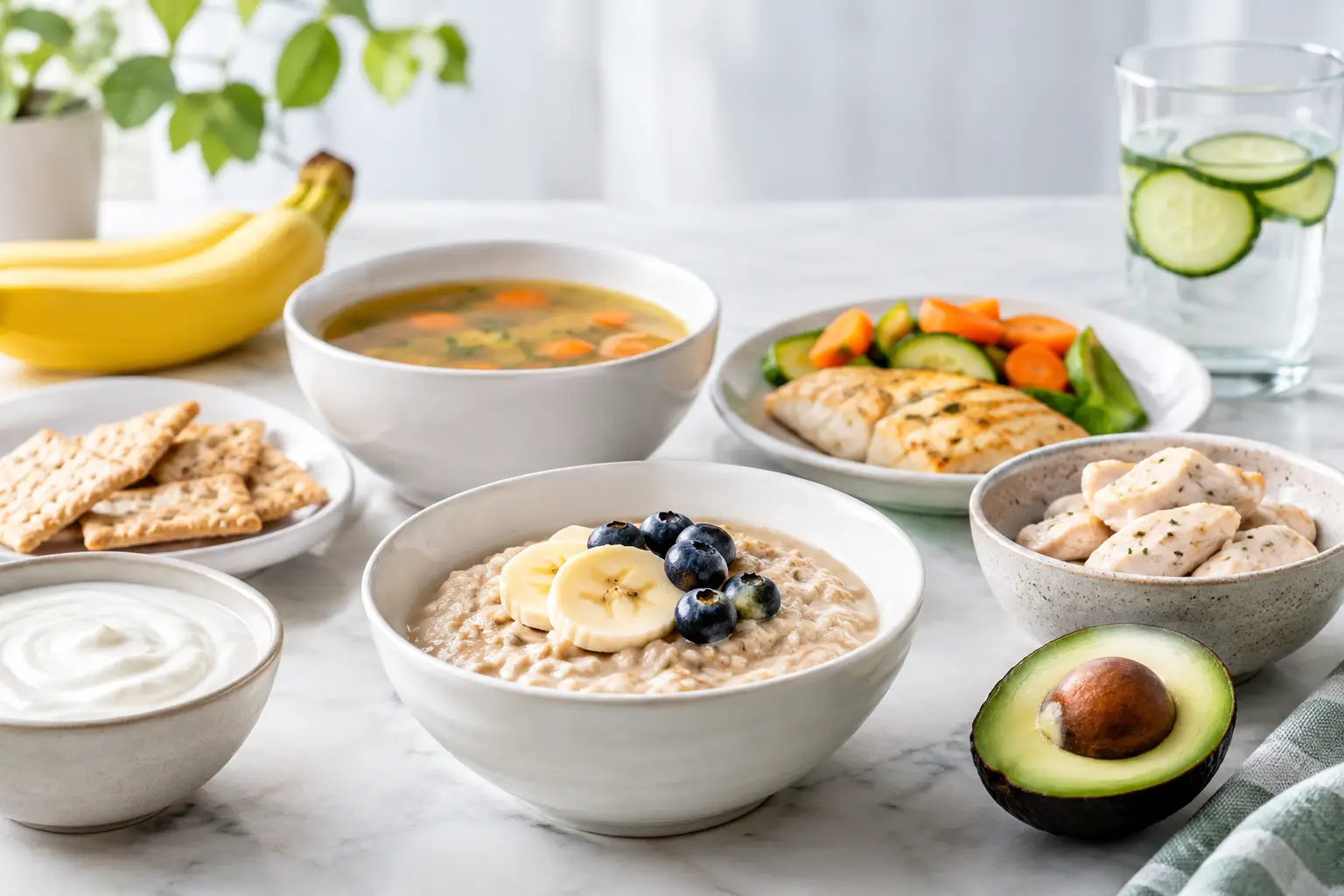
That first wave of nausea can make a medication that finally quiets constant food thoughts feel frustrating. The good news is that GLP-1 nausea often improves as your body adjusts, and what you eat can make a meaningful difference. The best foods for GLP-1 nausea are usually simple, low-fat, easy-to-digest options eaten in small amounts, before your stomach gets completely empty or overly full.
GLP-1 medications can slow how quickly food leaves the stomach. That is part of why they can improve fullness and appetite control, but it also means large, rich, or fast meals may sit heavily. You do not need to force down a perfect meal. The immediate goal is to stay hydrated, get enough nutrition, and make eating feel manageable again.
Why GLP-1 nausea can feel worse after certain meals
Nausea is most common when starting a GLP-1 medication or after a dose increase. It can also show up when a meal is too large, too high in fat, very sugary, or eaten quickly. Some people feel worse after skipping food all day and then trying to eat a full dinner. Others find that coffee, alcohol, or strong food smells are the trigger.
Your tolerance may change from week to week. A meal that felt fine before treatment may now feel too heavy. That is not a lack of willpower, and it does not mean you have to live on crackers forever. It means your eating pattern may need to match the way your medication is affecting digestion right now.
Best foods for GLP-1 nausea
The right choice depends on what you can tolerate that day. Cool or room-temperature foods are often easier when smells are bothering you. If you are also dealing with constipation, slowly increasing fluids and fiber can help, but loading up on high-fiber foods during active nausea may make bloating worse.
Plain crackers, toast, and dry cereal
A few plain crackers, a slice of toast, or dry cereal can be a gentle starting point when your stomach feels unsettled. These foods are bland, low in fat, and easy to portion. Keep a small snack nearby if nausea hits when you first wake up or when your stomach has been empty for too long.
Choose simple versions rather than buttery pastries, fried chips, or heavily seasoned snack foods. The goal is not to eat a large serving. It is to give your stomach something mild to work with.
Bananas, applesauce, and soft fruit
Bananas and unsweetened applesauce are common go-to foods because they are soft, mild, and generally easy to digest. A ripe pear, melon, or peeled apple may also work if you tolerate them. These choices can provide carbohydrates without the heaviness of a rich meal.
Fruit is not automatically the best option for everyone. If sweetness worsens your nausea or triggers reflux, start with a few bites and pair it with a bland protein food instead of eating a large bowl.
Oatmeal, rice, potatoes, and noodles
Soft, plainly prepared carbohydrates can settle well when nausea is active. Think oatmeal made with water, white or brown rice, a baked potato without heavy toppings, or plain noodles with a light broth. These foods are filling enough to prevent an empty-stomach feeling without requiring much digestive effort.
Keep portions modest. A full plate can be uncomfortable on a GLP-1, even if every ingredient is nutritious. Eat a few bites, pause for several minutes, and see how you feel before deciding whether you want more.
Broth-based soups
Broth-based soups offer fluid, sodium, and a little nourishment when solid food is difficult. Chicken and rice soup, vegetable soup, or a simple noodle soup can be especially helpful on a rough day. If possible, choose soups with modest fat content and avoid creamy chowders or heavily greasy options.
Soup can also be a practical way to add soft protein, such as shredded chicken, beans, or tofu. If the smell of hot food turns your stomach, let it cool slightly before eating.
Gentle protein foods
Protein matters during medical weight loss because it supports muscle maintenance and can help you stay satisfied. When nausea is present, choose gentler forms: scrambled or hard-boiled eggs, plain Greek yogurt, cottage cheese, a mild protein shake, tofu, or tender baked chicken.
Protein shakes can be useful when chewing feels unappealing, but they are not all the same. Very sweet, high-fat, or large shakes may worsen nausea. Sip slowly, use a smaller serving if needed, and consider a simpler flavor.
Yogurt, kefir, and other cool foods
Cool foods often have less aroma, which can make them easier to tolerate. Plain or lightly sweetened yogurt, kefir, pudding, or a smoothie made with simple ingredients may feel more manageable than a hot meal. Yogurt also provides protein, though lactose-sensitive people may do better with lactose-free options.
For a smoothie, keep it small and avoid adding several heavy ingredients at once. A blend of milk or a milk alternative, yogurt, banana, and ice is often easier than one packed with nut butter, cream, fiber powders, and multiple supplements.
Ginger and peppermint, if they agree with you
Ginger tea, ginger chews, or ginger added to warm water may relieve mild nausea for some people. Peppermint tea can also be soothing, although it may worsen heartburn or reflux in others. These are comfort measures, not a replacement for medical guidance if symptoms are persistent.
Eating habits that can make nausea easier to manage
How you eat matters nearly as much as what you eat. Start with smaller meals and snacks spread across the day rather than trying to finish three large meals. Eat slowly, chew thoroughly, and stop at the first sign of fullness. With GLP-1 treatment, waiting until you feel stuffed is often waiting too long.
Try not to drink a large amount with meals. Sip fluids steadily between meals instead. Water is a strong foundation, but an electrolyte drink, diluted juice, clear broth, or herbal tea may be easier when you are struggling to drink enough. If plain water suddenly feels unappealing, cold water, ice chips, or a splash of citrus may help.
It can also help to plan your most substantial meal for the time of day when nausea is lowest. For some people, that is breakfast. For others, it is a light lunch. There is no prize for following a rigid meal schedule that leaves you feeling sick.
Foods and habits to limit while nausea is active
High-fat foods are frequent offenders because fat naturally slows digestion further. Fried foods, pizza, bacon, sausage, creamy sauces, rich desserts, and large amounts of cheese can all feel much heavier while taking a GLP-1 medication. Spicy foods may also aggravate nausea or reflux.
Very large salads, raw cruciferous vegetables, and high-fiber beans are healthy foods, but they can cause gas and pressure when your stomach is already sensitive. You may tolerate them better once nausea settles. The same goes for alcohol, which can worsen dehydration and stomach irritation.
Avoid lying down immediately after eating, especially if you have heartburn. A brief, easy walk around the house can feel better than reclining after a meal. And do not push through severe nausea by forcing food. Small amounts more often are usually the better path.
When to contact your medical provider
Mild nausea that comes and goes can be a common side effect, particularly early in treatment. But repeated vomiting, an inability to keep fluids down, dizziness, signs of dehydration, severe or persistent abdominal pain, fever, or pain that spreads to the back deserves prompt medical attention. Contact your prescribing provider if nausea is interfering with nutrition, hydration, or daily life.
Your clinician may want to review your dose, timing, other medications, constipation, reflux, or whether a slower dose increase makes sense. Do not change or stop your prescribed medication without guidance unless you are directed to do so in an urgent situation.
At Eliminate the Food Noise in Your Head, medically supervised telehealth care gives you a direct way to discuss side effects without adding an unnecessary office visit to your week. The right plan should support sustainable progress, not leave you guessing through symptoms alone.
Nausea does not mean you have failed treatment. Give yourself permission to keep meals plain, portions small, and expectations realistic for a few days. As your body adjusts, you can gradually return to more variety while protecting the relief and control you started treatment to find.